


I write this morning looking back on a half dozen years dominated by the ending of life among friends to begin life among strangers far away; from a place that is still home to me in name only—those same years past focused where we could not see but must go; years that left less of her and so also less of us, behind and ahead.
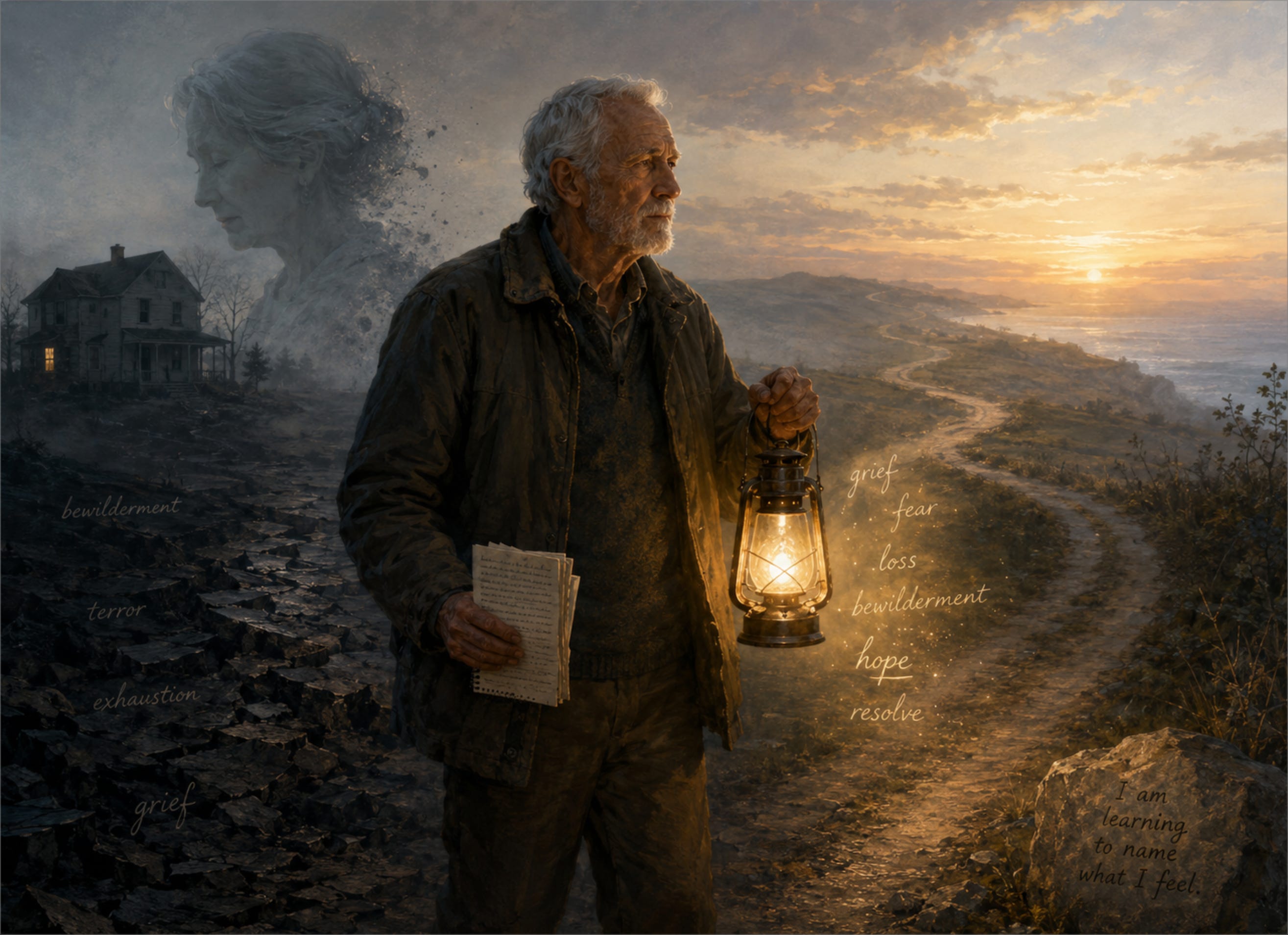
In this year’s-long span of change of person, personhood and place, I have been the recipient and bearer of emotions by type and by degree not known to the younger innocence I once owned.
I realize I had been, in those years, if not protected entirely at least buffered mercifully by benevolence against the bewilderment and terror of the kinds of grief and loss and their attendant feelings I now know too well.
I realize that, in those encounters with the hard facts of daily life diminished by her loss of memory, of reason, of self came wounds I had never known before or had did not known could be so intense, relentless and slow to resolution.
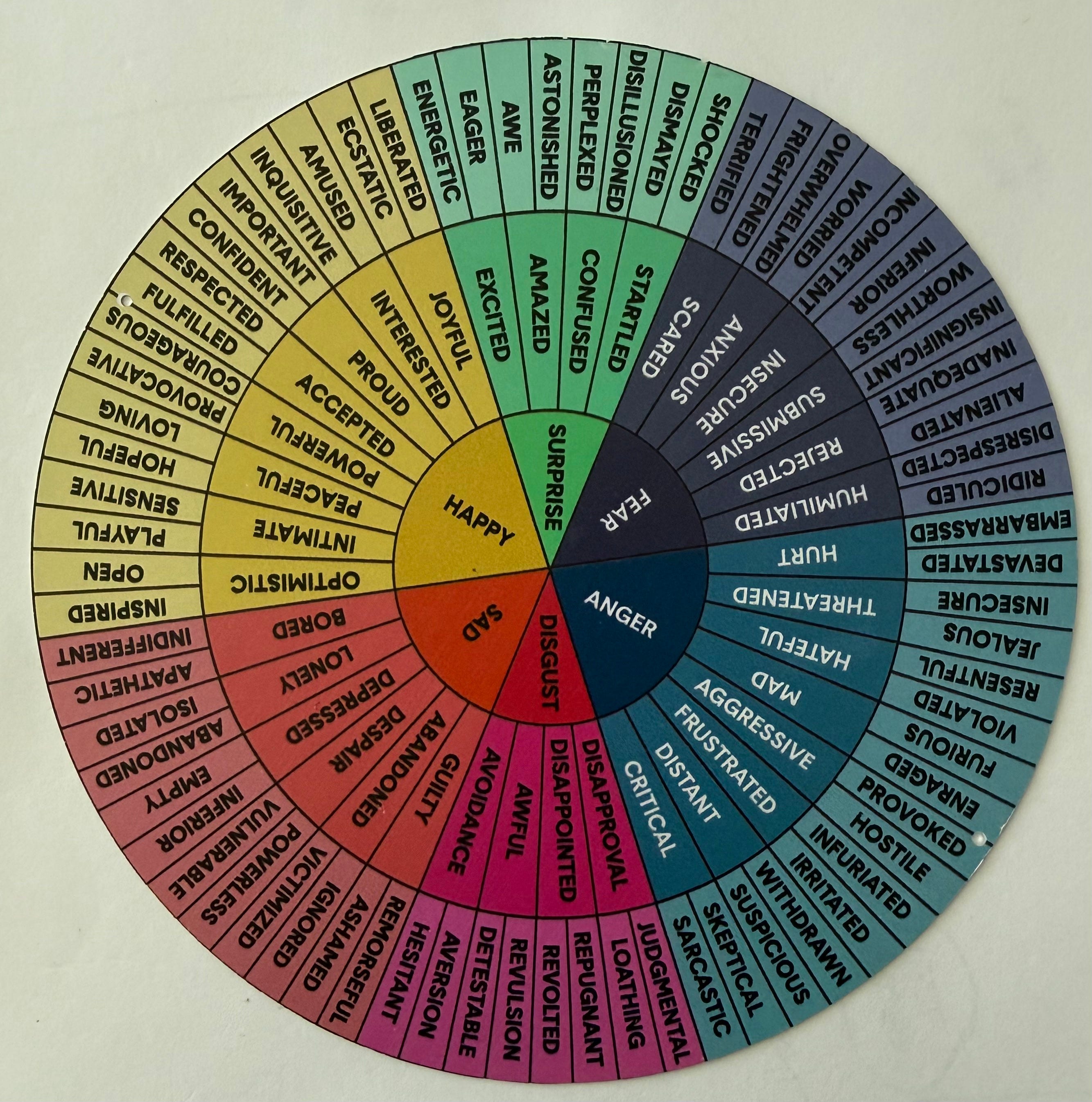
There have come emotions I did not recognize and therefore could not get hold of to wrestle with and bind up long enough to do the next thing that a reasonable man should do; must do. For there was no one but me to do those years of hard things.
Emotionally incompetent men are a risk to themselves and those around them. I didn’t and don’t want to be one of those men.
And so I am teaching myself to name, tame and shepherd my future emotional challenges so that bending does not lead to breaking. I have always claimed, in challenges to my bodily health, that naming your enemy is half the battle. Diagnosis is no less helpful against the assault of mental-emotional adversaries, who unnamed can wreak havoc.
Face to face with an opponent I can recognize, I stand a chance to stay standing and to be stronger the next time; because IT will come again. And I will be ready.

I am not the first. The accumulated body of thought and of knowledge on this topic is wide and deep and I am just now, with any earnestness or discipline, dipping my toe in those waters.
I can benefit from what others have come to understand about the look and language and bodily feel of emotion. There is much to unpack and then to hold as conscious and constant implements of my attention, awareness and consequent behavior. I can become more emotionally literate, and in this way, perhaps, better able to seize the good in these strange new days.
I am not yet sure that any of this inner journey would be worth your time as readers. But it is what I always seem to do—to write what I know, whether it’s the contours and creatures of Goose Creek or the terrain of end-stage dementia and the loss of vigor and dilution of hope that can come at this stage of life.
Maybe by the first of the new year in which I will turn 79, I will be able to say I know what to call what I am feeling. I am making a start. There is power in having the words. Where else does meaning come from?
If this topic holds any interest for someone you know at a similar place in life, please consider sharing. As always, the burden of travel is lighter with companions.
I’m thankful for your companionship along the way. It means a lot to know I don’t travel alone.
We reach a point where we know our presence on this third rock from the sun is finite and the end is near. I feel the pain you have. A heart condition with a pacemaker and a diagnosis of Alzheimers brings that end closer. As I would expect, you write about such things far better than I. Please keep writing. It helps all of us who face such outcomes.