

Earth: Commodity or Community
Biophilia or Business as Usual

Over the years I have had conversations with students in classrooms, workshops and retreats about their future on Earth from the standpoint of an elder biology-watcher. This Earth-month essay was a summary of my last such face-to-face on March 2023 with tomorrow’s adults. God speed.
April. A month of new beginnings. Finally, in April, the year truly begins. In every shade of green and gold, buds swell and spread in leaf and flower. Bees buzz, birds nest, the Earth smells sweet, of humus and pollen and pine.
April. I am born. Aldo Leopold dies. And at the first April Earth Day in 1970, my friends and I allowed ourselves to think that humanity had reached a turning point in its checkered relationship with a planet, very hospitable and livable, if we’d let it be.
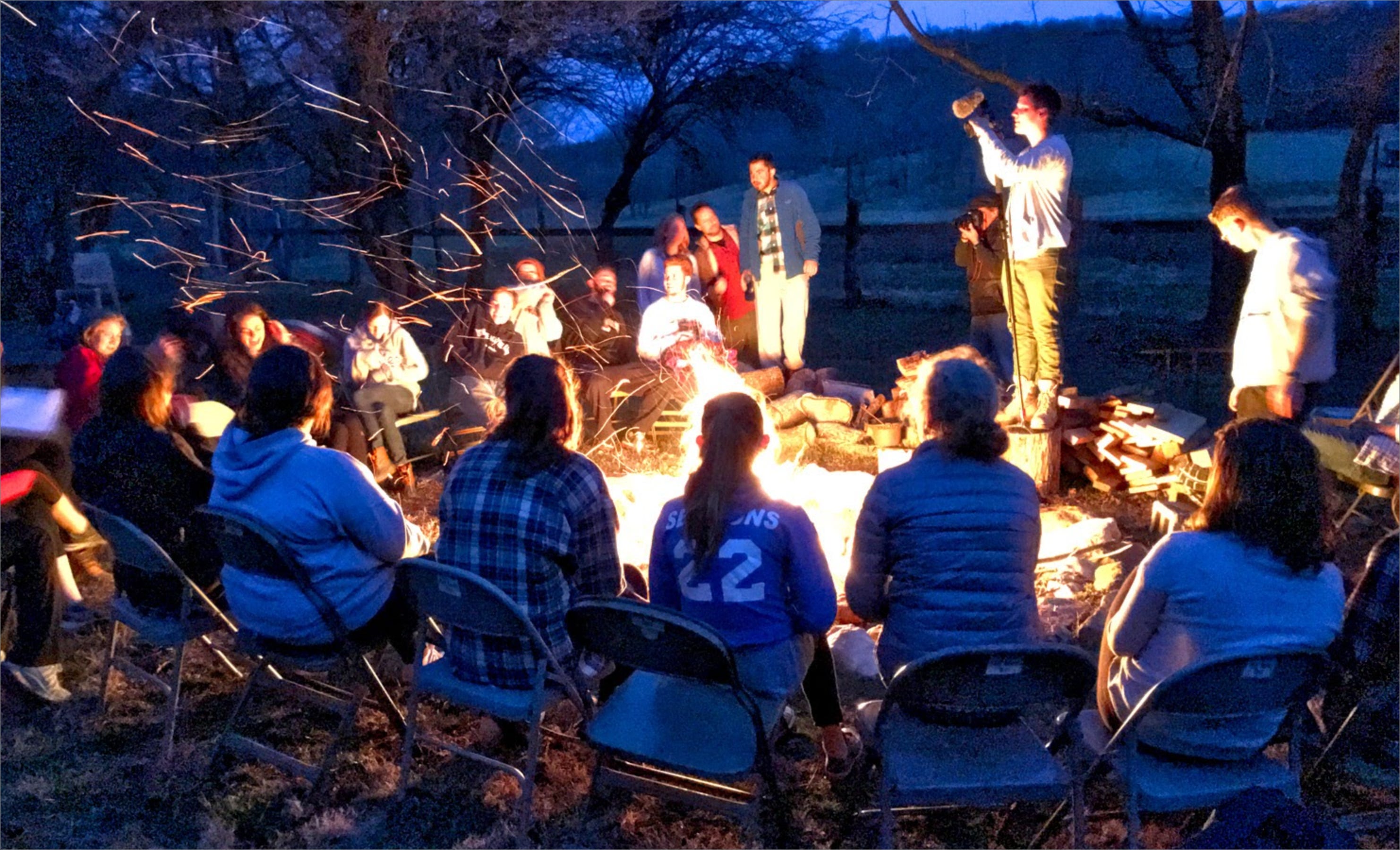
The year begins for me in April, and Leopold has become part of my Aprils. I attempted to explain this odd claim to some spring-breaking Philadelphia college students last month at Apple Ridge Farm up here on the Plateau.
This current April, I turned 75. The young people in a semi-circle around me were in their early twenties. I asked them to indulge an elder, to revisit the world I lived in when I was their age. I turned 22 less than two weeks before the first Earth Day in 1970.
To explain why and how the rudder of my tiny ship of life was nudged at just that time so that I ended up just there speaking to them that night, I wanted to tell these young people about forester Aldo Leopold--an ecologist and environmentalist, before these were even well-known words. Only one student in my small audience had ever heard his name. They also did not know Wendell Berry or Bill McKibben. Meh.
Leopold died on April 21, 1948, when I was two weeks old--fighting a brush fire on a neighbor’s land. His book, Sand County Almanac, was published in 1949. He advocated for a new way to understand our relationship with Earth. I read the book in 1970. His term “land ethic” made the hair on my arms stand up. He had me for life.
Ethics has, of course, always been a standard for right behavior in our relationships with other living things--people; pets; livestock. But Leopold said we should foster this same right behavior, the same basis for right or wrong choices when considering the fate of any given piece of land and all its living community.
Very old civilizations on every continent have a long, deep and persistent land ethic. So his ethical framing of “the “land” (which extends beyond to all of nature) reached deep roots of care about the land and was an awakening for some people-old and young-- in those days.
Leopold said…
”We abuse land because we regard it as a commodity belonging to us. When we see land as a community to which we belong, we may begin to use it with love and respect.”
For a while in the early 70s, it seemed that the so-called first world was embracing the long-term best interests of the planet’s health: its air and water, soil and forests, and its myriad living creatures. It was time we got ourselves back to the garden. The perceived need for a renewed relationship with Nature among those we may dismiss as “flower children” and “treehuggers” was genuine. I’ve hugged a tree or two in my day.
The Clean Air Act, the Clean Water Act, the Endangered Species Act and other collective decisions sought to reverse decades of ethical indifference and abuse to the landscape. Leopold was not around in the early 70s, but he would have been so pleased to see we had come to our senses that first Earth Day.
Ten years later, our good intentions fell apart again. Nothing gold can stay. We reordered priorities back towards the most efficiently-profitable use of land and the minerals, water, plant and animal life it supported. We have lived so very well having demoted land and nature to nothing but a commodity, and it seems that for many or for long, we will not be moved. Meanwhile in this relationship, the natural order is increasingly not gotten along so very well.
”Ethical behavior is doing the right thing when no one else is watching- even when doing the wrong thing is legal.”
So fifty-three years from the first Earth Day as I speak so briefly with these young folk, I have to acknowledge my generation has failed to offer them the hopes of the Earth-aware twenty-somethings in 1970.
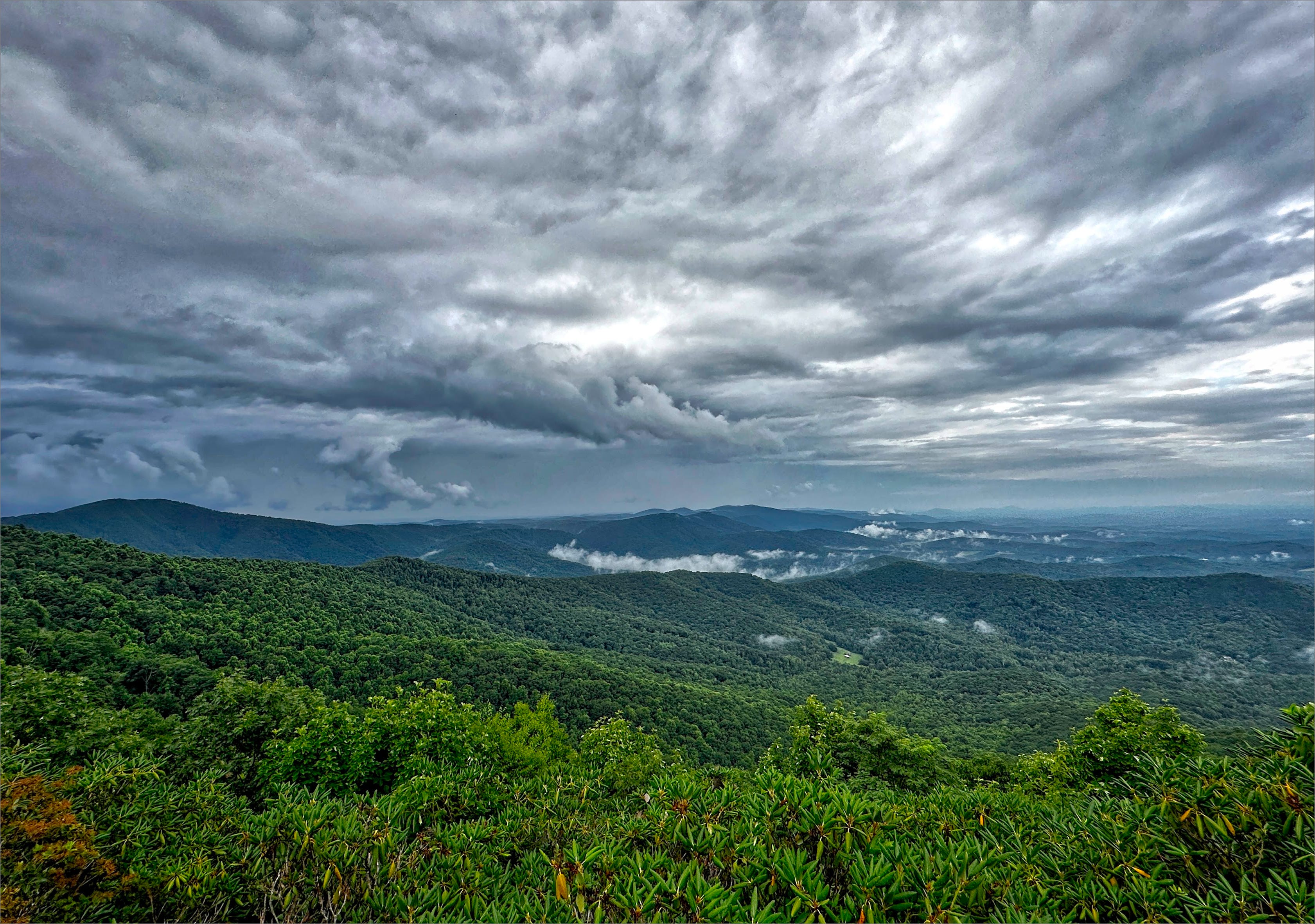
My generation--after a brief AHA moment of awful clarity a half century ago-- has insisted on riding to the precipice aboard an economic engine that produces profits for some and heat and disorder for many. The natural world past the edge of a scenic overlook off the Blue Ridge Parkway remains little more than the mythical Golden Egg of the modern age. And the goose is barren.
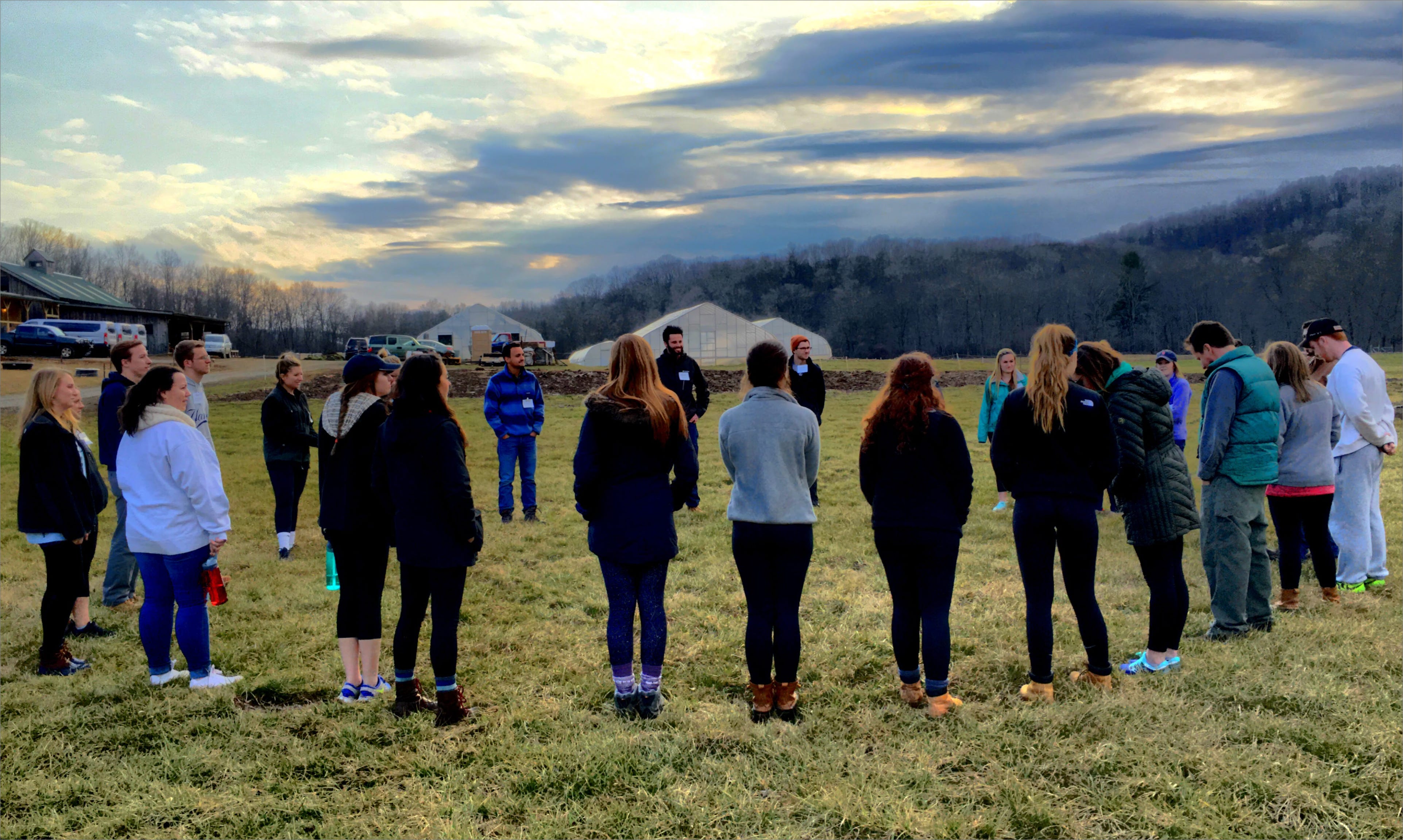
My student listeners will turn 75, on average, in the the early 2070s. We talked about their emerging hopes and goals for the intervening years between Earth Day 2023 and their 75th.
We spoke briefly about what the world would be like then if economists and politicians and CEOs of the world persisted along the current path. But I also offered hope that their choices—their land ethic—from now until their 75th year might possibly change the world they will pass on to their children (and by that age, their grandchildren).
As emerging adults, they wonder about their futures in a wounded world full of bad advice and twisted truths. What one thing could I share with them that would offer a compass and map to safe and healthy ground by the choices they would make?
In a world so vastly complex and dysfunctional, how could they know what choices are best for the common good?
Again, my best advice on how to live out what I call their “personal ecology” comes from Aldo Leopold, who said...
”A thing is right when it tends to preserve the integrity, stability and beauty of the biotic community. It is wrong when it tends otherwise.”
Nature bats last. If those who come after choose to live on a viable and resilient planet in 2075, this land ethic of Leopold’s seems to me a pretty reliable guide post. At least that is what I have told my own children, and theirs.
thanks Fred for your commentary and the pictures. I wonder if the present halt in Mideast oil will raise awareness of the difficulty with our dependence on fossil fuels.
Nice Earth Month thoughts! Thanks for the reminders and thanks for sharing our little town Earth Month activities! See you on the trails!